Industrial operations rely on precision, durability, and efficiency. Every task, from assembly and fabrication to maintenance and repair, depends on the right tools being available and properly used. Selecting the correct type of industrial tool is not just a matter of convenience. It directly impacts productivity, safety, and long-term operating costs.
Access to reliable tools and services also plays a role in maintaining uptime. Companies like BC Industrial Supply support operations with tool repair, equipment rentals, and fast shipping when replacements are needed, helping teams stay on schedule without unnecessary delays.
A strong understanding of industrial tool categories helps professionals make informed decisions. Each type serves a distinct purpose, and knowing where each fits within an operation can improve workflow and reduce wear on equipment.
Hand Tools: The Foundation of Industrial Work
Hand tools remain essential across every industrial sector. These tools do not require external power and offer precision control for a wide range of tasks. Mechanics, electricians, machinists, and maintenance technicians all rely on hand tools for daily operations.
Wrenches, pliers, screwdrivers, hammers, and chisels fall into this category. Each tool is designed for a specific function, such as tightening fasteners, gripping materials, or shaping components. Quality matters significantly with hand tools. Poorly manufactured tools can strip fasteners, slip under pressure, or wear out quickly, creating safety risks and inefficiencies.
Material composition plays a major role in performance. Chrome vanadium steel is commonly used due to its strength and resistance to corrosion. Ergonomic handles also improve user comfort and reduce fatigue during extended use. Industrial environments demand tools that can withstand repeated use under harsh conditions without compromising reliability.
Regular inspection and maintenance extend the life of hand tools. Even simple tools benefit from proper storage, cleaning, and occasional lubrication.
Power Tools: Speed and Efficiency in Action
Power tools increase productivity by reducing manual effort and completing tasks faster. These tools operate using electricity, compressed air, or hydraulic systems, making them suitable for high-volume work environments.
Electric drills, grinders, saws, and impact wrenches are common examples. Each tool is engineered to handle specific materials and workloads. Electric power tools are widely used due to their versatility and ease of operation. Cordless models add mobility, allowing workers to operate in areas without direct power access.
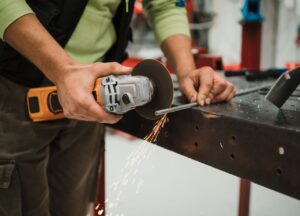
Pneumatic tools, powered by compressed air, are known for their durability and high torque output. These tools are often used in automotive and manufacturing settings where consistent performance is required over long periods. Hydraulic tools provide even greater force and are typically used for heavy-duty applications such as cutting thick metal or lifting heavy loads.
Proper training is essential when using power tools. Operators must understand torque settings, speed controls, and safety features to avoid damage or injury. Routine maintenance, including checking brushes, hoses, and connections, ensures consistent performance.
Cutting Tools: Precision Material Removal
Cutting tools are designed to remove material with accuracy and efficiency. These tools are critical in machining, fabrication, and construction processes where precise dimensions are required.
Drill bits, end mills, reamers, taps, and saw blades all fall under this category. Each cutting tool is engineered for specific materials such as metal, wood, plastic, or composites. The geometry of the cutting edge determines how efficiently the tool removes material and how smooth the finished surface will be.
High-speed steel and carbide are commonly used materials for cutting tools. Carbide tools offer superior hardness and wear resistance, making them ideal for high-speed machining operations. Coatings such as titanium nitride further enhance durability and reduce friction.
Tool selection depends on factors such as cutting speed, feed rate, and material hardness. Using the wrong tool can lead to poor finishes, excessive wear, and even tool failure. Cooling and lubrication also play a key role in extending tool life and maintaining accuracy.
Measuring and Layout Tools: Ensuring Accuracy
Precision is a critical requirement in industrial work. Measuring and layout tools ensure that components meet exact specifications and tolerances. Without accurate measurements, even the highest-quality materials and tools cannot deliver reliable results.
Calipers, micrometers, gauges, and measuring tapes are widely used for dimensional verification. Layout tools such as squares, levels, and marking tools help establish reference points before cutting or assembly begins.
Digital measuring tools have become increasingly popular due to their ease of use and high accuracy. These tools reduce human error and allow for quick readings in complex setups. Calibration remains essential for maintaining accuracy. Regular calibration checks ensure that measurements remain consistent over time.
Environmental factors such as temperature and humidity can affect measurements, especially in precision machining environments. Professionals must account for these variables to maintain quality standards.
Material Handling Tools: Moving Heavy Loads Safely
Industrial operations often involve transporting heavy materials and equipment. Material handling tools are designed to move these loads safely and efficiently, reducing the risk of injury and damage.
Forklifts, pallet jacks, hoists, and conveyors are commonly used in warehouses and manufacturing facilities. Each tool serves a specific purpose depending on the weight, size, and distance of the load being moved.
Ergonomics and safety features are critical considerations. Equipment must be easy to operate while minimizing strain on workers. Load capacity ratings must always be observed to prevent accidents.
Automation has improved material handling processes in many facilities. Conveyor systems and automated guided vehicles increase efficiency while reducing manual labor. Regular maintenance ensures that these systems operate smoothly and safely.
Fastening Tools: Securing Components with Confidence
Fastening tools are used to assemble components securely. These tools ensure that parts remain stable under stress and vibration, which is critical in industrial environments.
Manual fastening tools include screwdrivers and wrenches, while powered options include impact drivers and torque wrenches. Precision fastening tools are essential in applications where exact torque specifications must be met.
Torque control is a key factor in fastening operations. Over-tightening can damage components, while under-tightening can lead to failures during operation. Advanced tools allow users to set and monitor torque levels, ensuring consistency across multiple assemblies.
Threaded fasteners, rivets, and bolts each require specific tools and techniques. Understanding the requirements of each fastening method helps prevent issues such as loosening, corrosion, or structural failure.
Abrasive Tools: Surface Finishing and Preparation
Abrasive tools are used to smooth, shape, and finish surfaces. These tools are essential for preparing materials before coating, welding, or assembly.
Grinding wheels, sanding discs, and polishing pads are common examples. Each abrasive tool is designed for a specific level of material removal and surface finish. Coarse abrasives remove material quickly, while fine abrasives create smooth finishes.
Material compatibility is important when selecting abrasive tools. Using the wrong abrasive can damage the workpiece or reduce tool effectiveness. Heat generation is another consideration, as excessive heat can alter material properties.
Operators must use proper protective equipment when working with abrasives. Sparks, dust, and debris can pose safety hazards if not managed correctly.
Specialty Tools: Application-Specific Solutions
Specialty tools are designed for unique or highly specific tasks. These tools are often used in industries such as aerospace, automotive, and heavy manufacturing where standard tools are not sufficient.
Examples include pipe benders, cable crimpers, torque multipliers, and alignment tools. Each tool addresses a specific challenge and is engineered to deliver precise results.
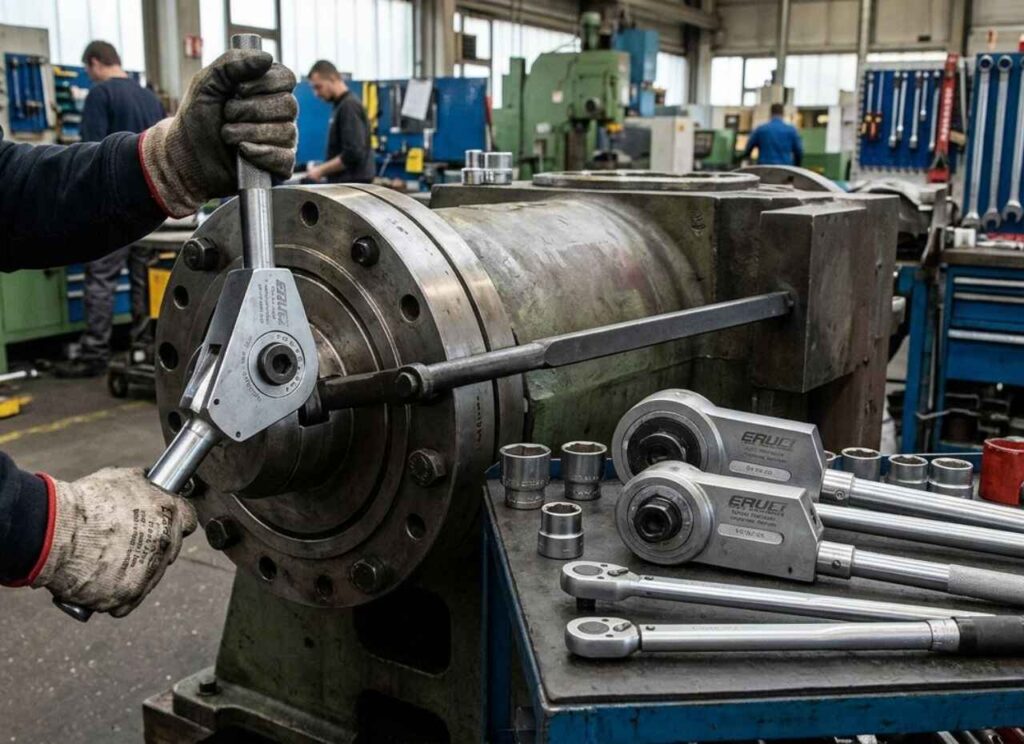
Investment in specialty tools can improve efficiency and reduce errors in complex operations. These tools often require specialized training to use effectively. Proper storage and handling are also important to maintain their accuracy and performance.
Safety Tools and Equipment: Protecting Workers
Safety tools and equipment are a critical part of any industrial environment. Protecting workers from hazards ensures compliance with regulations and maintains productivity.
Personal protective equipment includes gloves, helmets, safety glasses, and hearing protection. Lockout-tagout devices prevent accidental equipment startup during maintenance. Gas detectors and monitoring tools help identify hazardous conditions.
Safety tools must be inspected regularly to ensure they function correctly. Training programs help workers understand how to use equipment properly and respond to emergencies.
Workplace safety is an ongoing effort that requires attention to detail and consistent practices. Proper use of safety tools reduces the risk of accidents and creates a more efficient working environment.
Choosing the Right Industrial Tools
Selecting the right tools involves evaluating several factors. Application requirements, material type, and workload all influence tool choice. Cost is also a consideration, but focusing solely on price can lead to higher expenses over time due to frequent replacements or inefficiencies.
Durability, performance, and compatibility with existing equipment should guide decision-making. Investing in high-quality tools often results in better performance and longer service life.
Maintenance and support services also play a role in tool selection. Access to repairs, replacements, and technical support ensures that tools remain operational when needed.
A well-equipped operation combines different types of tools to handle a wide range of tasks. Each category plays a role in achieving efficiency, accuracy, and safety.
Final Thoughts
Industrial tools form the backbone of modern manufacturing, construction, and maintenance operations. Each type serves a specific purpose, and understanding these categories helps professionals work more effectively.
Hand tools provide control and precision, power tools deliver speed, and specialized tools handle complex tasks. Measuring tools ensure accuracy, while safety equipment protects workers in demanding environments.
Success in industrial work depends on more than just having tools available. It requires selecting the right tools, maintaining them properly, and using them with skill and care. A thoughtful approach to tool management leads to better results, improved safety, and long-term operational efficiency.