Small tractor rental continues to gain traction across construction, landscaping, agriculture, and property maintenance. Compact tractors deliver strong performance in tight spaces, making them a dependable option for short-term projects or seasonal workloads. Renting instead of buying offers flexibility, cost control, and access to newer equipment without long-term commitment.
Companies that manage multiple job sites often rely on rentals to scale operations without tying up capital. Property owners benefit from the same approach when tackling projects like grading, trenching, or material handling. Early planning and a clear understanding of project requirements help maximize value from a rental.
BC Industrial Supply supports equipment rentals, tool service, and fast delivery across the U.S., helping teams keep projects moving without delays. That kind of support becomes valuable when timelines are tight and equipment uptime matters.
What Defines a Small Tractor and Where It Fits
A small tractor typically refers to compact and sub-compact models ranging from about 15 to 60 horsepower. These machines balance power and maneuverability, making them suitable for work areas where larger equipment would struggle. Operators can use them for tasks that demand precision without sacrificing productivity.
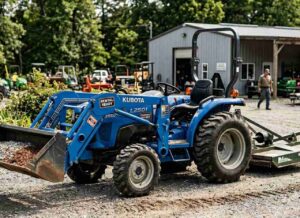
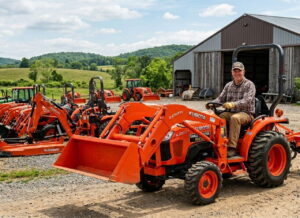
Manufacturers like Kubota, John Deere, and New Holland Agriculture produce compact tractors with versatile attachment systems. That versatility allows one machine to handle multiple tasks across different job types.
Landscaping crews use small tractors for soil preparation, mowing, and debris clearing. Construction teams rely on them for light excavation, site cleanup, and grading. Agricultural operations benefit from their ability to handle chores like hauling, tilling, and fence line maintenance.
Key Advantages of Renting a Small Tractor
Renting a small tractor reduces upfront costs and removes the need for long-term storage or maintenance planning. Businesses can match equipment to project scope without overcommitting resources. This flexibility proves valuable when workloads fluctuate or when specialized attachments are only needed for a limited time.
Access to modern equipment stands out as another advantage. Rental fleets often include newer models with updated safety features, improved fuel efficiency, and better operator ergonomics. That can translate to higher productivity and reduced downtime on the job site.
Maintenance responsibility typically falls on the rental provider, which simplifies equipment management. Operators can focus on the work instead of scheduling service intervals or sourcing replacement parts. If an issue arises, rental providers often offer quick replacements or service support to minimize disruption.
Choosing the Right Tractor Size and Configuration
Selecting the right tractor begins with understanding the scope of work. Horsepower requirements, terrain conditions, and attachment needs all influence the decision. A sub-compact tractor works well for light-duty tasks in residential or confined spaces. Compact models offer more power and hydraulic capacity for heavier applications.
Tire type plays a role in performance and surface impact. Turf tires protect finished surfaces like lawns and sports fields. Industrial tires provide durability and traction on mixed terrain. Agricultural tires deliver maximum grip in loose soil but may cause more surface disturbance.
Transmission choice also affects usability. Hydrostatic transmissions allow smooth speed control, which benefits operators working in tight areas or performing repetitive tasks. Gear-driven systems offer efficiency and durability for steady workloads.
Attachments That Expand Capability
Attachments transform a small tractor into a multi-purpose machine. Choosing the right implements ensures the tractor delivers maximum value for the project. Many rental providers offer packages that include common attachments, allowing operators to switch between tasks with minimal downtime.
Front-end loaders handle material movement, including gravel, soil, and debris. Backhoes support trenching and light excavation work. Rotary cutters manage overgrown vegetation, while box blades assist with grading and leveling surfaces.
Augers help with post hole digging, making them useful for fencing projects. Pallet forks enable lifting and transporting materials around the site. Each attachment adds functionality, allowing one machine to replace several specialized tools.
Cost Considerations and Budget Planning
Rental pricing varies based on tractor size, attachment selection, and rental duration. Daily, weekly, and monthly rates provide flexibility depending on project timelines. Longer rental periods often come with discounted rates, making them more cost-effective for extended work.
Transportation costs should factor into the budget. Some providers include delivery and pickup, while others charge separately. Fuel usage also contributes to overall expenses, especially for projects requiring continuous operation.
Insurance and damage waivers protect against unexpected costs. Reviewing rental agreements helps clarify responsibilities related to wear, damage, and maintenance. Clear communication with the rental provider ensures there are no surprises during or after the rental period.
Operator Safety and Training
Safe operation remains a priority when using any heavy equipment. Small tractors may appear less intimidating than larger machines, yet they require proper handling and awareness. Operators should review manufacturer guidelines and follow all safety procedures before starting work.
Rollover protection systems and seat belts are standard on most modern tractors. Using these features reduces risk during operation, especially on uneven terrain. Maintaining a stable load and avoiding sharp turns at high speeds helps prevent tipping incidents.
Training improves efficiency and safety. Even experienced operators benefit from familiarizing themselves with specific models and attachments. Rental providers often offer guidance or documentation to help users get started quickly and safely.
Maintenance Expectations During Rental
Routine checks keep equipment running smoothly throughout the rental period. Operators should inspect fluid levels, tire pressure, and attachment connections before each use. Addressing small issues early prevents larger problems and reduces downtime.
Cleaning the equipment after use helps maintain performance and extends component life. Dirt and debris can interfere with moving parts, leading to wear or reduced efficiency. Returning equipment in good condition also avoids additional cleaning or damage fees.
Communication with the rental provider remains important if any mechanical issues arise. Prompt reporting allows for quick resolution, whether through on-site service or equipment replacement.
Environmental Impact and Efficiency
Modern small tractors incorporate features that improve fuel efficiency and reduce emissions. Renting newer models allows operators to benefit from these advancements without investing in new equipment. Efficient engines and optimized hydraulics contribute to lower operating costs and reduced environmental impact.
Proper usage also plays a role in efficiency. Avoiding excessive idling, selecting the correct gear or speed, and matching attachments to the task all help conserve fuel. These practices support both cost savings and environmental responsibility.
When Renting Makes More Sense Than Buying
Rental becomes the better choice when equipment usage is infrequent or project-specific. Seasonal work, one-time projects, and short-term contracts all favor renting over ownership. Businesses avoid depreciation costs and long-term maintenance obligations.
Purchasing a tractor makes sense when usage is consistent and predictable. High utilization justifies the investment and allows owners to spread costs over time. Evaluating workload frequency and financial goals helps determine the best approach.
Final Thoughts
Small tractor rental offers a practical solution for a wide range of applications. It provides flexibility, access to modern equipment, and reduced financial risk compared to ownership. Careful planning, proper equipment selection, and safe operation ensure the best results from any rental experience.
Teams that understand their project needs and work closely with reliable rental providers gain a clear advantage. The right tractor, paired with the right attachments, can handle multiple tasks efficiently and keep projects on schedule.