Industrial maintenance plays a critical role in keeping facilities productive, safe, and cost-efficient. Every machine, conveyor, motor, and system depends on proper upkeep, and the right tools make that possible. Poor tool selection leads to extended downtime, safety risks, and unnecessary expenses. A well-equipped maintenance team, on the other hand, can diagnose issues quickly, perform accurate repairs, and extend equipment lifespan.
Companies that prioritize maintenance tools also position themselves for long-term success. Access to dependable supplies, repair services, and equipment support makes a noticeable difference in daily operations. Many organizations rely on trusted partners such as BC Industrial Supply to ensure they have the tools, replacement parts, and technical support needed to keep everything running smoothly.
The Role of Industrial Maintenance Tools in Daily Operations
Maintenance tools support everything from routine inspections to emergency repairs. Technicians rely on them to identify wear, correct misalignment, tighten connections, and restore equipment performance. Without proper tools, even a simple issue can escalate into a costly shutdown.
Facilities that operate heavy machinery face constant stress on components. Bearings wear down, fasteners loosen, electrical systems degrade, and hydraulic lines develop leaks. Maintenance tools provide the means to address these issues before they disrupt production. Preventive maintenance programs depend heavily on having the right equipment available at the right time.
Accuracy also plays a major role. Many industrial systems require precise adjustments to function correctly. Tools designed for industrial use offer the durability and precision needed to meet these demands. Standard consumer-grade tools often fail under such conditions, leading to inconsistent results and safety concerns.
Categories of Essential Industrial Maintenance Tools
A strong maintenance program starts with a well-rounded tool inventory. Each category serves a specific purpose and contributes to overall equipment reliability.
Hand Tools for Everyday Tasks
Hand tools form the backbone of any maintenance operation. Wrenches, screwdrivers, pliers, hammers, and socket sets handle a wide range of tasks. These tools allow technicians to tighten fasteners, disassemble components, and perform basic repairs.
Quality matters significantly in this category. Industrial-grade hand tools are built to withstand repeated use and high torque applications. Inferior tools wear out quickly, strip fasteners, or break under pressure. Consistency and durability are essential for maintaining efficiency on the shop floor.
Ergonomics also plays a role in productivity. Tools designed with comfortable grips and balanced weight reduce fatigue during long shifts. Maintenance teams that work efficiently with minimal strain tend to complete tasks faster and with greater accuracy.
Power Tools for Efficiency and Speed
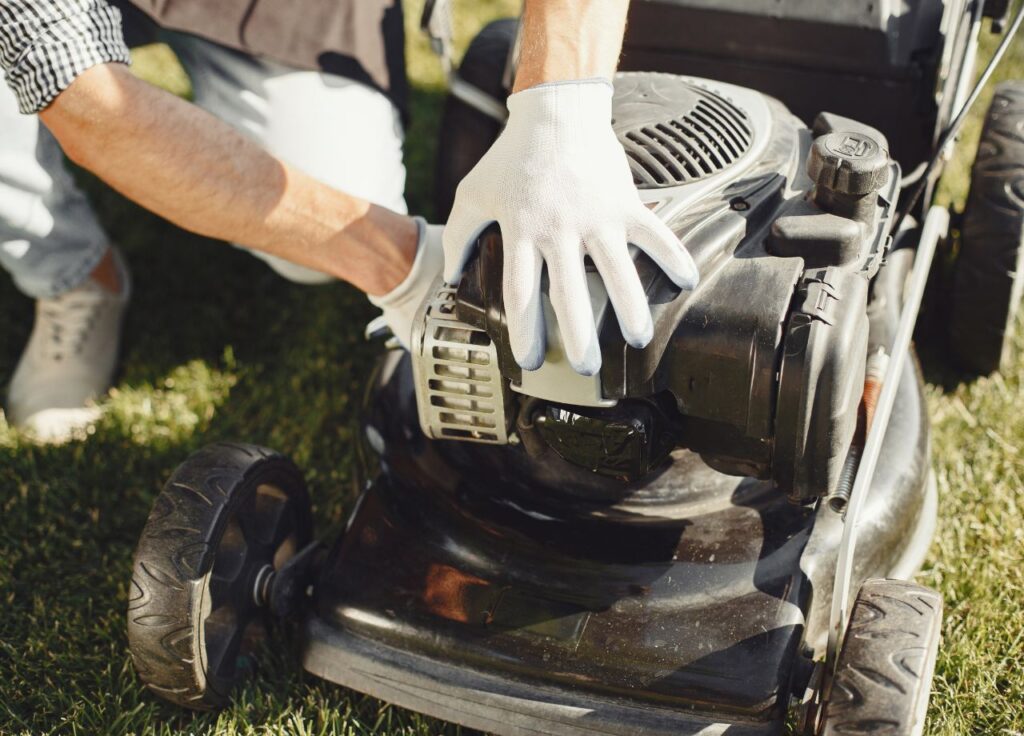
Power tools increase productivity by reducing the time required for demanding tasks. Drills, impact wrenches, grinders, and saws allow technicians to complete work quickly without sacrificing precision. These tools are especially valuable in environments where downtime must be minimized.
Cordless power tools have gained popularity due to their flexibility and portability. Technicians can move freely without worrying about power cords, which improves safety and convenience. Battery technology has improved significantly, offering longer run times and consistent performance.
Heavy-duty industrial power tools are designed for continuous operation. They can handle demanding workloads without overheating or losing efficiency. Maintenance teams benefit from tools that deliver consistent performance across multiple shifts.
Precision Measuring and Diagnostic Tools
Accurate measurement is essential for effective maintenance. Tools such as calipers, micrometers, laser alignment systems, and vibration analyzers help technicians identify issues before they become serious problems.
Misalignment is one of the most common causes of equipment failure. Even slight deviations can lead to increased wear and reduced efficiency. Alignment tools allow technicians to make precise adjustments, ensuring components operate smoothly.
Diagnostic tools provide valuable data about equipment health. Vibration analysis can detect imbalance, misalignment, or bearing wear. Thermal imaging tools reveal overheating components, which may indicate electrical faults or friction issues. These tools enable predictive maintenance, reducing unexpected failures.
Lubrication Equipment for Longevity
Proper lubrication is critical for reducing friction and wear. Grease guns, oil dispensers, and automatic lubrication systems ensure that moving parts receive the correct amount of lubricant.
Over-lubrication and under-lubrication both create problems. Too much grease can cause overheating, while too little leads to increased friction and premature failure. Precision lubrication tools help maintain the right balance.
Modern lubrication systems often include monitoring features that track usage and performance. These systems help maintenance teams maintain consistency and avoid guesswork. Equipment that operates with proper lubrication tends to last longer and perform more efficiently.
Safety Tools and Equipment
Safety remains a top priority in any industrial environment. Maintenance tasks often involve working with heavy machinery, electrical systems, and hazardous materials. Proper safety tools protect workers and reduce the risk of accidents.
Lockout/tagout devices ensure that equipment remains de-energized during maintenance. Personal protective equipment such as gloves, goggles, and helmets provides essential protection. Gas detectors, insulation testers, and voltage meters help identify hazards before work begins.
Maintenance teams must have access to reliable safety equipment at all times. Tools that support safe work practices are just as important as those used for repairs.
Choosing the Right Tools for Your Facility
Selecting the right maintenance tools requires careful consideration of several factors. Each facility has unique needs based on its equipment, workload, and operating environment.
Durability should always be a priority. Industrial environments place significant stress on tools, so they must be built to handle heavy use. Investing in high-quality tools reduces replacement costs and improves reliability.
Compatibility is another important factor. Tools should match the specifications of the equipment being serviced. Using the wrong tool can damage components or lead to improper repairs.
Ease of use also impacts efficiency. Tools that are intuitive and comfortable to operate allow technicians to work more effectively. Training requirements should be minimal, especially in fast-paced environments.
Storage and organization play a role as well. A well-organized tool system ensures that technicians can quickly locate what they need. Tool tracking systems help prevent loss and improve accountability.
Preventive Maintenance and Tool Utilization
Preventive maintenance relies heavily on consistent tool usage. Scheduled inspections and servicing help identify potential issues before they lead to equipment failure. Tools designed for inspection and measurement play a key role in this process.
Routine tasks such as tightening bolts, checking alignment, and monitoring vibration levels require reliable tools. Maintenance teams that follow structured procedures tend to achieve better results.
Documentation also supports effective maintenance. Recording measurements and observations allows teams to track changes over time. This data helps identify trends and predict future issues.
A proactive approach to maintenance reduces downtime and extends equipment lifespan. Tools that support preventive strategies provide long-term value for any facility.
The Impact of Technology on Maintenance Tools
Technology continues to shape the future of industrial maintenance. Modern tools incorporate digital features that enhance accuracy and efficiency.
Smart tools can collect and store data, providing valuable insights into equipment performance. Wireless connectivity allows technicians to access information in real time. These advancements improve decision-making and streamline maintenance processes.
Automation also plays a role. Automated lubrication systems, remote monitoring tools, and predictive maintenance software reduce the need for manual intervention. Maintenance teams can focus on critical tasks while technology handles routine monitoring.
Training becomes increasingly important as tools become more advanced. Technicians must understand how to use digital features effectively. Investing in training ensures that teams can fully leverage modern tools.
Common Challenges in Industrial Maintenance
Maintenance teams often face challenges that impact efficiency and performance. Limited access to tools, outdated equipment, and lack of training can create obstacles.
Tool shortages can delay repairs and increase downtime. Maintaining an adequate inventory ensures that technicians have what they need when they need it. Regular audits help identify gaps and prevent shortages.
Outdated tools can limit effectiveness. Older equipment may lack the precision or durability required for modern systems. Upgrading tools improves performance and reduces maintenance time.
Training gaps can also affect outcomes. Technicians must stay current with new tools and techniques. Ongoing training programs help maintain a skilled workforce.
Building a Reliable Maintenance Strategy
A successful maintenance program combines the right tools with effective processes. Planning and organization play a key role in achieving consistent results.
Standardizing tool selection ensures that all technicians use the same equipment. This approach improves consistency and reduces confusion. It also simplifies training and maintenance procedures.
Regular tool maintenance is equally important. Tools that are kept in good condition perform better and last longer. Cleaning, calibration, and inspection should be part of routine maintenance activities.
Collaboration between teams also supports success. Maintenance, operations, and management must work together to ensure that resources are available and processes are followed.
Conclusion
Industrial maintenance tools form the foundation of reliable operations. From basic hand tools to advanced diagnostic equipment, each category plays a vital role in keeping systems running smoothly. Facilities that invest in quality tools, proper training, and organized processes see improved efficiency, reduced downtime, and longer equipment life.
Maintenance teams equipped with the right tools can respond quickly to issues and maintain consistent performance. A proactive approach, supported by dependable equipment, ensures that operations remain productive and safe.