Construction projects demand precision, reliability, and speed. Equipment downtime or improper maintenance can stall progress, increase costs, and compromise safety. A well-prepared industrial maintenance tool set supports consistent performance across all phases of a project, from groundwork to final finishing. Professionals who invest in the right tools reduce repair time, improve efficiency, and extend the life of valuable machinery.
BC Industrial Supply supports contractors and maintenance teams with a wide range of tools, repair services, and fast shipping options, helping crews stay productive without unnecessary delays. Access to dependable equipment and support makes a noticeable difference when deadlines are tight and expectations are high.
Why Industrial Maintenance Tools Matter on Job Sites
Construction environments expose equipment to heavy loads, dust, vibration, and weather conditions. These factors contribute to wear and tear that requires ongoing attention. A strong maintenance tool set ensures that teams can address issues immediately instead of waiting for specialized service calls.
Equipment failure often leads to project delays that affect scheduling, labor allocation, and overall budgets. Skilled maintenance teams equipped with proper tools can perform routine servicing, troubleshoot mechanical problems, and handle emergency repairs on-site. This approach keeps operations moving forward without interruptions.
Maintenance tools also contribute to safety. Loose bolts, misaligned components, and worn parts create hazards that increase the risk of accidents. Proper inspection and adjustment using the right tools help prevent these risks and maintain a safer working environment.
Core Categories of Industrial Maintenance Tools
A complete tool set covers several categories, each serving a specific purpose in maintaining construction equipment and infrastructure. Understanding these categories helps ensure that no critical function is overlooked.
Hand Tools for Everyday Repairs
Hand tools form the foundation of any maintenance kit. They provide versatility and control for a wide range of tasks. Wrenches, screwdrivers, pliers, and hammers are used daily for tightening, adjusting, and assembling components.
High-quality hand tools reduce the risk of stripping fasteners or damaging parts. Precision matters when working on heavy equipment, where improper torque or alignment can lead to larger mechanical failures. Durable materials such as chrome vanadium steel improve longevity and performance under demanding conditions.
Technicians rely on socket sets and torque wrenches to ensure bolts meet manufacturer specifications. Consistent torque application prevents both under-tightening and over-tightening, which can compromise structural integrity.
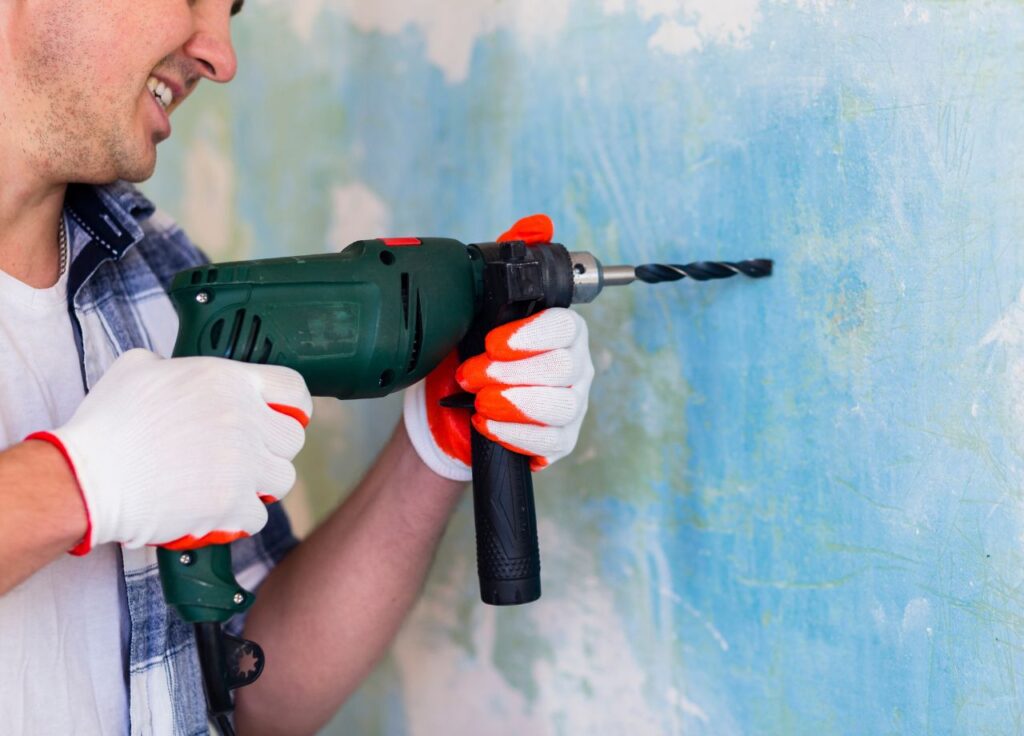
Power Tools for Efficiency and Speed
Accurate diagnostics prevent unnecessary repairs and help identify the root cause of equipment issues. Measuring tools provide the precision needed to maintain performance standards.
Multimeters are essential for electrical troubleshooting. They measure voltage, current, and resistance, allowing technicians to detect faults in wiring and components. Thermal imaging devices help identify overheating parts before they fail.
Calipers and micrometers ensure that parts meet required tolerances. Even small deviations can affect equipment performance. Laser alignment tools assist in maintaining proper alignment of rotating machinery, reducing vibration and extending component life.
Lubrication and Fluid Management Tools
Proper lubrication reduces friction and wear in moving parts. Construction equipment relies on consistent lubrication to function efficiently under heavy loads.
Grease guns, oil pumps, and fluid extractors help technicians apply and manage lubricants effectively. These tools ensure that machinery receives the right amount of lubrication without contamination.
Fluid management also includes monitoring and replacing hydraulic fluids, engine oils, and coolants. Clean fluids improve performance and prevent damage caused by debris or degradation.
Lifting and Support Equipment
Maintenance often requires access to heavy components that must be lifted or stabilized. Lifting tools provide the support needed to perform repairs safely.
Hydraulic jacks, hoists, and lifting slings allow technicians to raise equipment for inspection or part replacement. Jack stands provide stable support during maintenance operations. Proper lifting equipment reduces physical strain and minimizes the risk of accidents.
Using the correct lifting capacity and following safety guidelines ensures that maintenance tasks are completed without incident. Reliable lifting tools are a critical part of any industrial maintenance setup.
Specialized Tools for Construction Equipment Maintenance
Construction projects involve a wide range of machinery, including excavators, loaders, cranes, and generators. Each type of equipment requires specialized tools for effective maintenance.
Hydraulic systems demand tools designed for high-pressure environments. Hose crimpers, pressure gauges, and seal kits are necessary for maintaining hydraulic performance. Electrical systems require insulated tools to protect technicians from potential hazards.
Welding equipment is often included in maintenance tool sets. Repairs involving metal structures or components frequently require welding capabilities. Portable welding machines allow teams to perform these tasks directly on-site.
Air compressors and pneumatic tools support a variety of maintenance functions. They power impact wrenches, spray guns, and cleaning tools. Compressed air is also used for clearing debris from equipment components.
Preventive Maintenance and Tool Organization
Preventive maintenance reduces the likelihood of unexpected failures. A well-organized tool set plays a key role in maintaining consistency and efficiency.
Technicians benefit from tool storage systems that keep equipment accessible and protected. Toolboxes, cabinets, and mobile carts help organize tools by category and usage. Clear organization reduces time spent searching for tools and improves workflow.
Routine inspection schedules ensure that maintenance tasks are performed regularly. Tools such as inspection checklists and digital tracking systems help teams stay on top of maintenance requirements. Keeping records of repairs and inspections provides valuable data for future planning.
Calibration of measuring tools is another important aspect of preventive maintenance. Accurate tools produce reliable results, which directly impact equipment performance.
Choosing High-Quality Tools for Long-Term Value
Investing in high-quality tools delivers long-term benefits. Durable tools withstand the demands of construction environments and reduce the need for frequent replacements.
Material quality, ergonomic design, and manufacturer reputation are key factors to consider. Tools that are comfortable to use reduce fatigue and improve productivity. Features such as anti-slip grips and vibration reduction enhance user experience.
Compatibility with existing equipment and systems also matters. Standardized tools simplify maintenance procedures and reduce the need for specialized training. Selecting tools from reputable manufacturers ensures consistent performance and availability of replacement parts.
Safety Considerations in Industrial Maintenance
Safety remains a top priority in construction maintenance. The right tools contribute to a safer working environment by enabling proper procedures and reducing risks.
Personal protective equipment should always be used alongside maintenance tools. Gloves, safety glasses, helmets, and protective footwear are essential for preventing injuries. Insulated tools protect against electrical hazards, while non-sparking tools are used in environments where flammable materials are present.

Lockout and tagout tools help ensure that machinery is properly shut down before maintenance begins. These tools prevent accidental startup, protecting technicians from serious injuries.
Training is equally important. Skilled workers who understand how to use maintenance tools correctly are less likely to encounter accidents. Ongoing training keeps teams updated on best practices and new technologies.
The Role of Technology in Modern Maintenance Tool Sets
Advancements in technology have improved the capabilities of industrial maintenance tools. Digital tools and smart devices provide greater accuracy and efficiency.
Wireless diagnostic tools allow technicians to monitor equipment performance in real time. Data collected from sensors helps identify trends and predict potential failures. This approach supports proactive maintenance strategies that reduce downtime.
Battery technology continues to improve, making cordless tools more powerful and reliable. Portable devices with digital interfaces enhance usability and provide instant feedback during maintenance tasks.
Automation also plays a role in maintenance. Some systems can perform self-diagnostics and alert operators when maintenance is required. Integrating these technologies with traditional tools creates a more effective maintenance strategy.
Building a Reliable Maintenance Tool Strategy
Every construction project benefits from a well-planned maintenance approach. Selecting the right combination of tools ensures that teams are prepared for both routine tasks and unexpected challenges.
A balanced tool set includes essential hand tools, powerful equipment, diagnostic devices, and safety gear. Regular evaluation of tool performance helps identify areas for improvement. Upgrading tools when necessary keeps maintenance operations efficient and effective.
Collaboration between project managers, technicians, and suppliers ensures that the tool set meets project requirements. Reliable access to tools and support services keeps operations running smoothly.
Strong maintenance practices extend the life of equipment, improve safety, and support project success. A dependable industrial maintenance tool set stands as a critical investment for any construction operation aiming for consistent performance and long-term results.