Heavy equipment plays a critical role on construction sites, land clearing projects, and large-scale grading work. Among the most essential machines is the bulldozer, known for its power, durability, and ability to handle demanding terrain. Renting a dozer can be a practical solution for contractors and businesses that need reliable equipment without the long-term investment of ownership. Understanding dozer rental prices is key to managing project costs and avoiding surprises.
Companies like BC Industrial Supply support contractors with access to equipment solutions, repairs, and logistics that help keep projects moving efficiently, especially when timelines are tight and equipment needs shift.
Factors That Influence Dozer Rental Prices
Dozer rental pricing varies widely depending on several important factors. Equipment size, rental duration, location, and additional services all contribute to the final cost.
Machine size stands out as one of the biggest pricing drivers. Smaller dozers designed for residential or light commercial work typically cost less than larger models built for mining or heavy earthmoving. A compact dozer may cost significantly less per day compared to a full-size crawler dozer with advanced grading features.
Rental duration also affects pricing. Daily rates are usually the highest on a per-day basis, while weekly and monthly rentals offer better value. Contractors working on extended projects often benefit from negotiating long-term rental agreements.
Geographic location plays a role due to transportation costs and equipment availability. Urban areas with high demand may have higher rates, while rural regions may include additional delivery fees if equipment must be transported long distances.
Additional features and attachments can increase rental costs. GPS grading systems, specialized blades, and ripper attachments add functionality but also raise the price. Maintenance packages, insurance, and operator services can further impact the overall rental expense.
Average Dozer Rental Costs
Understanding average pricing helps set realistic expectations. While rates fluctuate, general ranges provide a useful starting point for budgeting.
Small dozers, typically under 100 horsepower, often range from $250 to $500 per day. Weekly rates may fall between $1,000 and $1,800, while monthly rentals can range from $3,000 to $5,500. These machines are commonly used for landscaping, small grading jobs, and residential site prep.
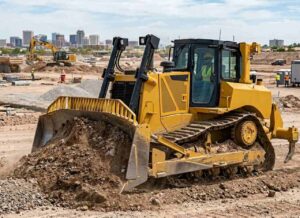
Medium-sized dozers, usually between 100 and 200 horsepower, tend to cost $400 to $900 per day. Weekly rates often land between $1,500 and $3,500, with monthly rentals ranging from $5,000 to $10,000. These are widely used in commercial construction and roadwork.
Large dozers, exceeding 200 horsepower, command higher rates due to their power and capabilities. Daily rentals can range from $800 to $2,000 or more. Weekly rates often reach $3,000 to $6,000, while monthly rentals can exceed $12,000. These machines are common in mining, large infrastructure projects, and heavy land clearing.
Short-Term vs Long-Term Rentals
Rental duration has a direct impact on cost efficiency. Short-term rentals offer flexibility but come at a premium. Contractors who need equipment for only a few days often accept higher daily rates to avoid long-term commitments.
Long-term rentals provide cost savings and stability. Monthly agreements reduce the per-day cost and often include maintenance support. This option works well for projects with predictable timelines.
Project managers should evaluate the scope of work carefully. Renting for a longer period than necessary increases costs, while underestimating the timeline can lead to repeated extensions at higher rates.
Transportation and Delivery Fees
Transporting a bulldozer requires specialized trailers and logistics planning. Delivery fees can range from $100 to over $1,000 depending on distance and equipment size.
Some rental providers include delivery within a certain radius, while others charge separately. Remote job sites or difficult terrain can increase transportation costs. Contractors should confirm these details upfront to avoid unexpected charges.
Pickup fees are often separate from delivery charges. Coordinating return logistics in advance helps prevent delays and additional fees.
Fuel, Maintenance, and Operating Costs
Rental prices typically cover the machine itself, but operating costs remain the responsibility of the renter. Fuel consumption varies based on machine size and workload. Larger dozers can consume several gallons of diesel per hour, which adds up quickly on extended projects.
Routine maintenance may be included in some rental agreements, especially for long-term rentals. Daily inspections, fluid checks, and basic upkeep usually fall on the operator or contractor.
Wear and tear can also impact costs. Excessive use or improper operation may lead to additional charges for repairs. Clear communication with the rental provider about usage expectations helps minimize disputes.
Insurance and Liability Considerations
Insurance is a critical aspect of equipment rental. Many rental companies require proof of coverage before releasing equipment. This protects both the renter and the provider in case of damage, theft, or accidents.
Rental protection plans are often available as an add-on. These plans reduce financial risk but increase the overall rental cost. Contractors should compare the cost of coverage with their existing insurance policies to determine the best option.
Liability extends beyond the equipment itself. Job site safety, operator training, and compliance with regulations all play a role in managing risk.
Choosing the Right Dozer for Your Project
Selecting the correct machine size and configuration has a direct impact on efficiency and cost. Overestimating equipment needs leads to higher rental expenses, while underestimating can slow progress and increase labor costs.
Terrain type is a major consideration. Rocky or uneven ground may require a larger dozer with higher horsepower. Soft or muddy conditions benefit from machines with wider tracks for better stability.
Blade type also matters. Straight blades are suitable for fine grading, while universal blades handle larger loads. Angle blades offer versatility for different tasks.
Technology features like GPS grading systems can improve accuracy and reduce rework. These features come at an additional cost but may save time and labor on complex projects.
Seasonal Demand and Pricing Trends
Dozer rental prices often fluctuate based on seasonal demand. Construction activity typically increases during warmer months, leading to higher demand and limited availability.
Peak seasons may result in higher rates and fewer options. Planning ahead and securing equipment early helps lock in better pricing.
Off-season rentals may offer discounts, especially for long-term agreements.
Weather conditions also influence pricing indirectly. Projects delayed by rain or extreme conditions can extend rental periods, increasing overall costs.
Tips for Reducing Dozer Rental Costs
Managing rental expenses requires careful planning and smart decision-making. Accurate project timelines help avoid unnecessary extensions. Coordinating multiple equipment rentals from a single provider may lead to bundled pricing.
Regular communication with the rental company ensures that any issues are addressed quickly, reducing downtime. Proper operator training improves efficiency and minimizes the risk of damage.
Comparing quotes from multiple providers can reveal pricing differences. Contractors should look beyond the base rate and consider total cost, including delivery, fuel, and additional services.
Final Thoughts
Dozer rental prices depend on a combination of equipment size, rental duration, location, and added features. A clear understanding of these factors allows contractors to budget effectively and select the right machine for the job.
Careful planning, accurate project assessment, and attention to operating costs can make a significant difference in overall expenses. Renting offers flexibility and access to high-quality equipment without the long-term commitment of ownership, making it a practical choice for many construction and industrial projects.
A well-informed approach to dozer rentals helps keep projects on schedule and within budget while ensuring the equipment performs as expected in demanding conditions.